It’s hard to look away from the red in the markets. Somewhat similar to last year, crypto is in a position where $BTC remains relatively strong, but alts sit near their lows, failing to meaningfully rebound and make up for the ground they have lost since the start of this year.
The primary reason for this loss of risk appetite in crypto is the current macro picture. This is made clear by the numerous positive announcements that have come crypto’s way this year. From the U.S. Crypto Reserve to the SEC dropping cases against top CEXs and protocols, & more, the blunted effect of these optimistic developments signals pain induced by broader market conditions.
Some market participants are now looking to macro to find a reason to be bullish when what they are looking for might not be there. Whether it’s a return of Quantitative Easing (QE) in some form, a temporary halt on tariff announcements, or something else entirely, it remains to be seen what positive spin can be put on the state of the markets. In today’s edition, we’ll discuss the current macro landscape, what to expect from the Fed, & more…
Stay informed in the markets ⬇


Crypto’s Reaction to Macro
Crypto as an asset class has grown to the point where, for several years now, macro has been the largest factor determining the fate of the markets. Major events such as the fallout from FTX have sometimes distorted crypto’s ability to consistently grind higher in the same way that equities have since 2022. Still, $BTC follows the same trajectory of stocks, just with the bulk of its upward price action condensed into a few months out of the year.
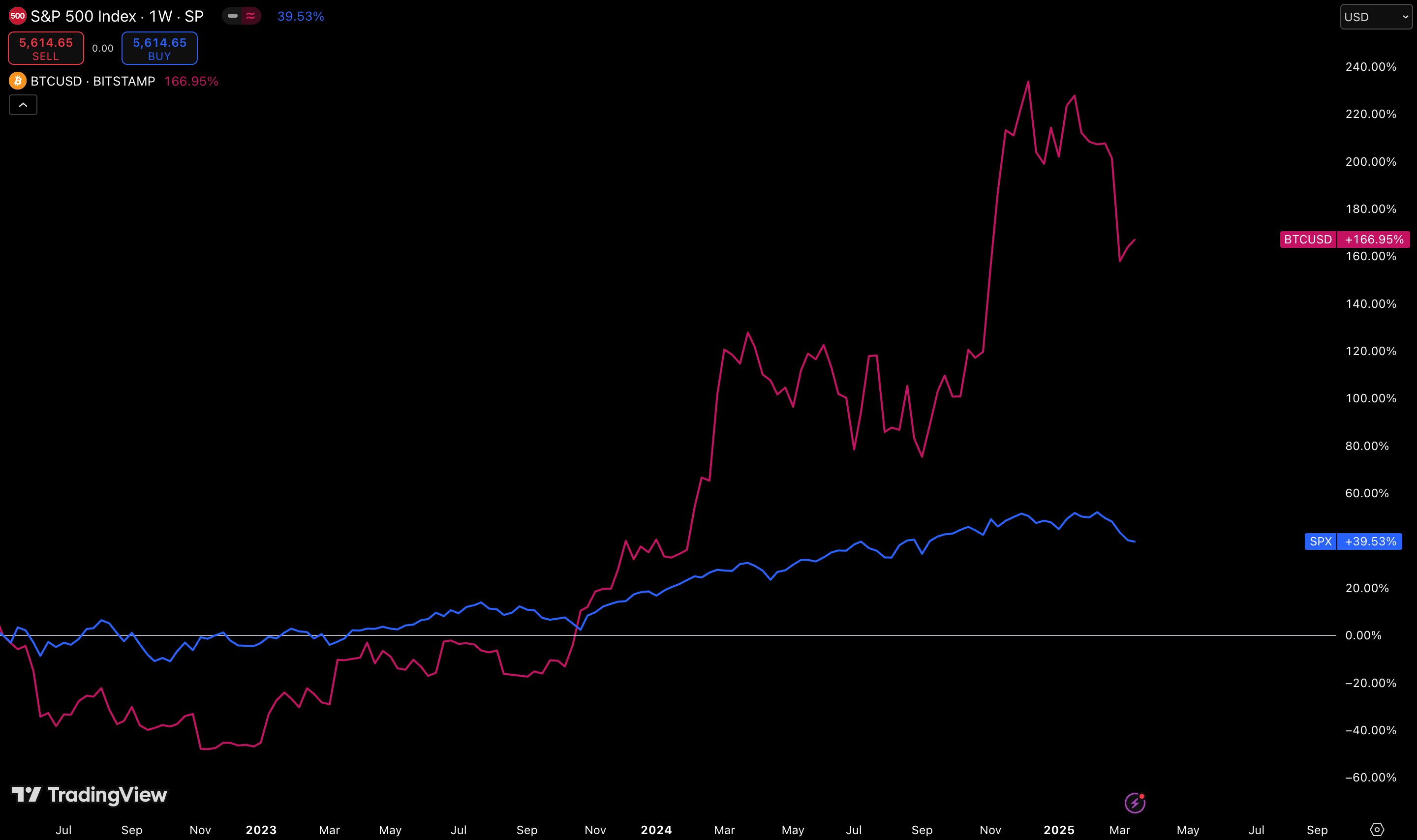

With this in mind, it comes as no surprise that crypto has followed stocks downward to start the year. Key pillars of the Trump administration, including Trump himself, are basically telling markets what to expect, forecasting tariff announcements ahead of time, and giving little mind to the markets.
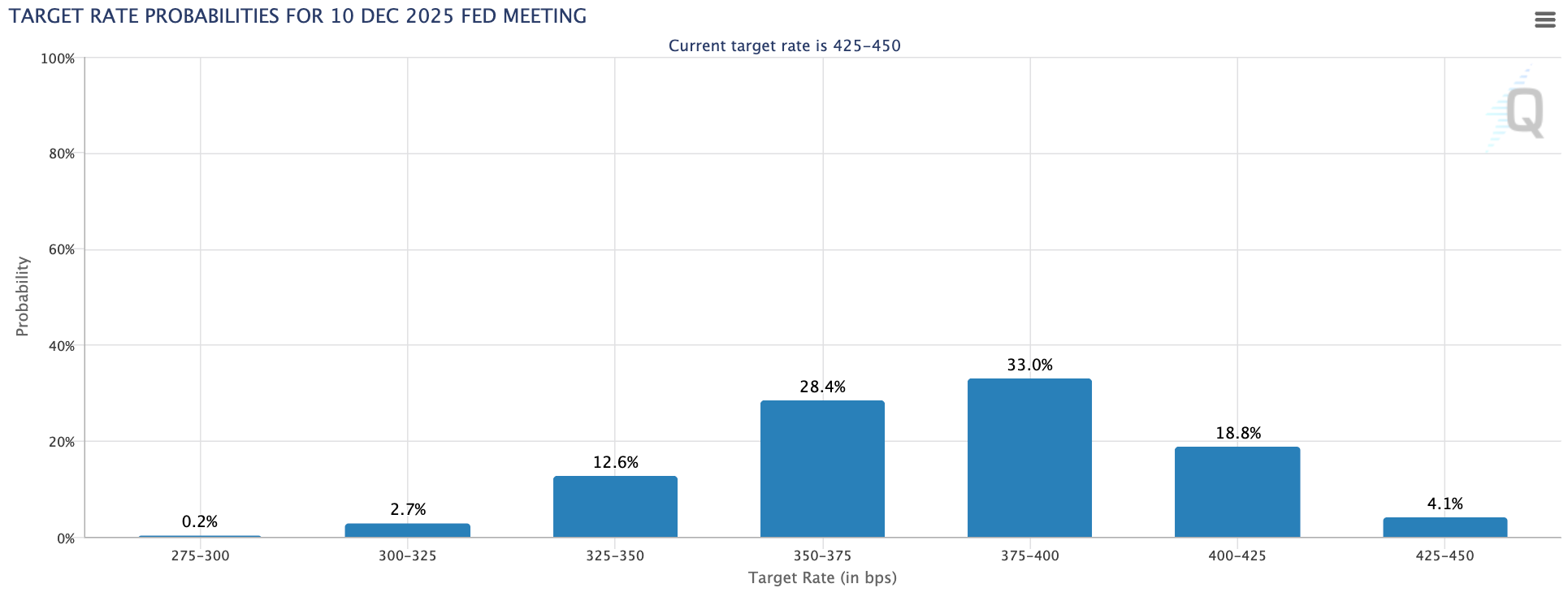
Today, Fed Chairman Jerome Powell will share what is going through the Federal Reserve’s mind with regard to the Trump admin’s policymaking. When it comes the Jerome Powell’s rates decision today, it’s virtually a lock that rates will remain unchanged this month. However, markets are now pricing in a 25bps cut in June, and another 25bps cut before year-end, as early as September.
In a recent interview, Powell even recalled his tenure during the previous Trump administration, when he reacted to negative growth caused by Trump’s policies by lowering rates toward the end of 2019. Powell takes a self-described ‘wait and see’ approach to Trump means that the Fed’s independence is emphasized. The Fed is unique from any other agency or institution in the U.S. government, perhaps operating the most independently.
While Powell will probably be reluctant to take orders from Trump, evidence pointing to a greater economic slowdown might force his hand regardless. Powell himself has highlighted that it’s important to monitor what people in the economy actually do, not what they say. This means things like the University of Michigan consumer sentiment survey, which showed significant declines during the past two months, don’t constitute rate cuts or other measures associated with easing just yet.
While the election is over, there is also still a political element to polls and surveys that can’t be overlooked. Poll respondents tend to answer economic surveys based on their political affiliations and who is in power. When adjusting for various biases and waiting for solid behavioral data before making a decision, it’s easy to see why the Fed is sometimes portrayed as being behind the curve.
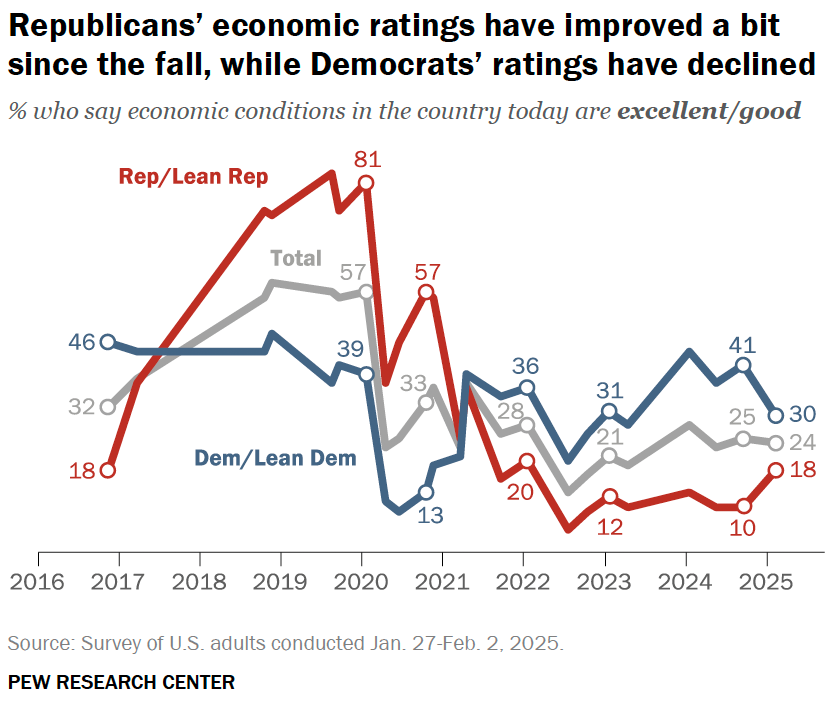
If the Fed waits for consumer behavior to change and largely ignores sentiment indexes and forecasts, then this starts a game of how long it takes for Trump’s policies to have a negative trickle-down effect within the economy. Consumer and corporate behavior can also not be indicative of reality, as importers may be anticipating tariffs and accumulating inventory in the meantime, which can temporarily inflate economic activity in certain sectors.
All in all, it’s possible that the impact of tariffs may soften over time, as there already has been substantial U.S. investments from both U.S. and foreign corporations including Apple and TSMC. It’s hard to forecast an economic outlook for Q2 and beyond, but it seems short-term time frames are biased toward the downside.