It’s our first Macro Dose of 2025, and the year ahead is already shaping up to be a rather exciting one, for better or worse. Traditional markets have opened for the first time of the year, while crypto markets have already seen quite a bit of action. AI has led the charge thus far, with tokens across the board now seeing green. Binance has begun listing perps for prominent AI tokens, temporarily driving AI agent token prices down in anticipation of shorts.
When it comes to US news, there has already been a string of strange terror attacks, one even involving Trump and Elon Musk indirectly. Coincidental or not, the country can expect more drama to ensue in the coming year, for better or worse. When it comes to predicting the macro year ahead of us, a lot hinges on these two characters, as well as Jerome Powell, and their media presence only grows larger and larger.

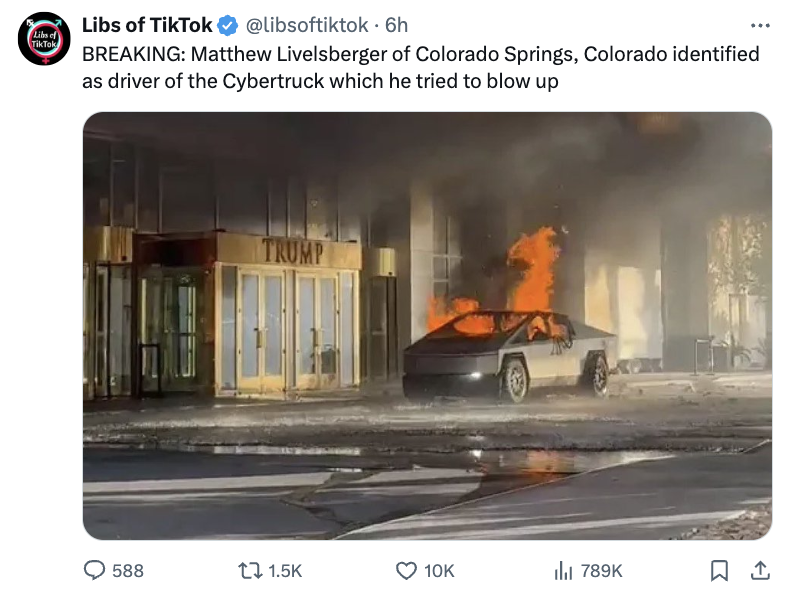
Trump has gained the populist vote, though he has done so by promising to buck the status quo that the US economy has found itself in for decades, in a high-risk, high-reward type gambit. Tariffs could be a great bargaining chip to get overseas manufacturing to establish itself in the US and hire domestically, or it could potentially backfire and result in steep inflation.
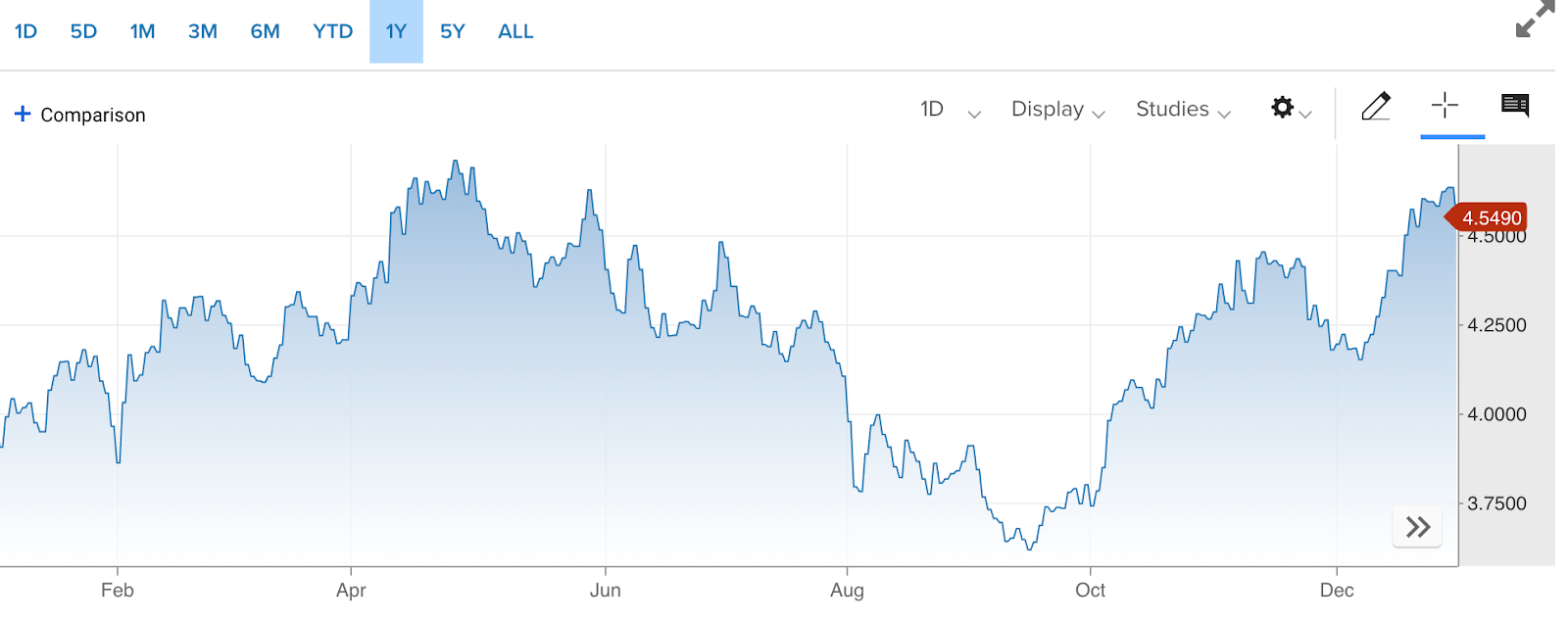
If we look at the state of US bonds, markets are pricing long-term bonds lower for one reason or another. Heading into the election, and closely following it, we’ve had a rally in long bond yields, even as the Fed has continued to cut short-term rates.
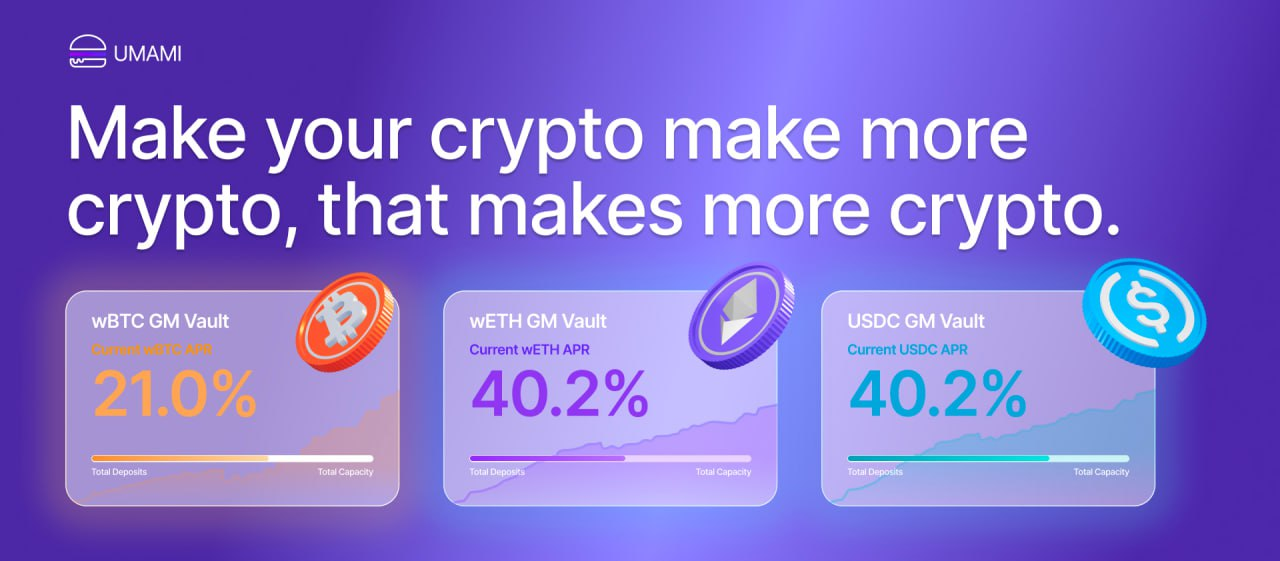
Umami Finance - Make your crypto make more crypto, that makes more crypto…
Long-term bond rates have been rallying, whether it’s the 10Y, 20Y or 30Y. Gold has ceased its momentous rally, going sideways since the election mostly. On any given day or week it’s difficult to attribute price movements to any one particular factor when there are so many potential causes, but one has to assume that both Trump and Elon’s hands in potentially spurring more inflation in the US economy might be behind a large chunk of this move.
A more underlying cast of doubt might be responsible for these moves in the bond market, simply caused by global distrust from countries in the USD as a store of value in the long run given the unsustainable outlook for the deficit, regardless of what happens during a Trump administration.
One theme to watch in 2025 is infighting among Republican affiliates or between Trump and other members of the US government. When it comes to conflicts of policy pertaining to matters such as tariffs and monetary policy, which side prevails could determine a lot in the year ahead.
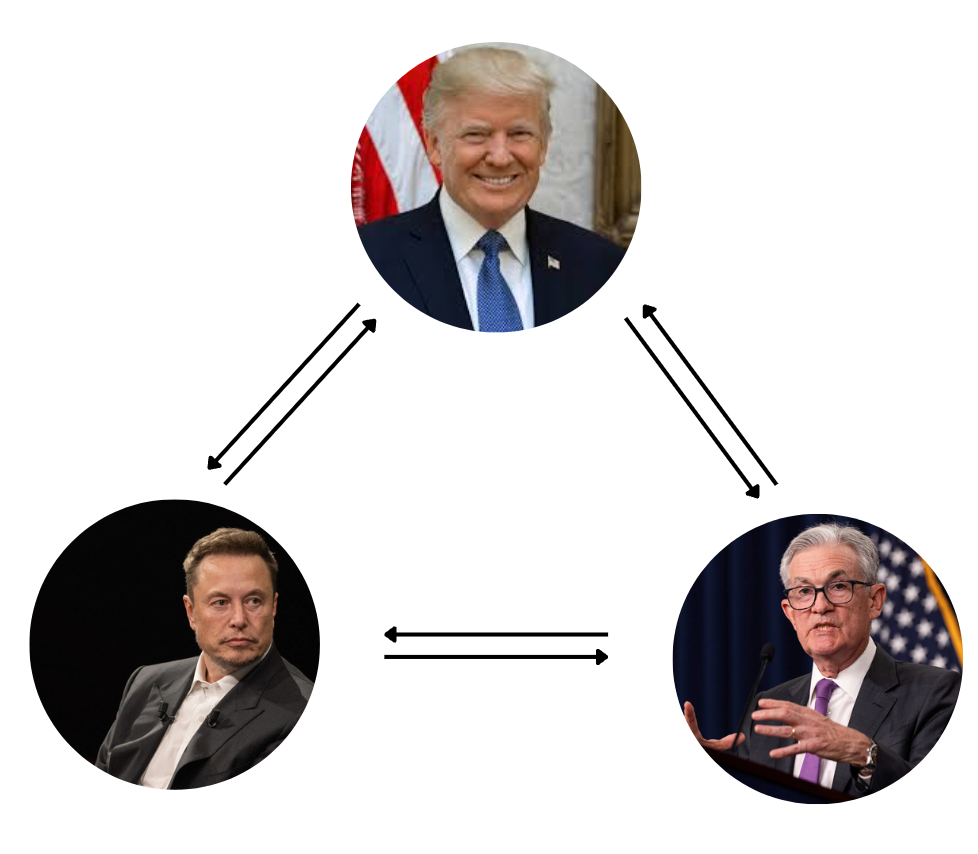
There might be a bit of a power dynamic between Trump, Powell, and DOGE, with Elon being the least significant of these groups. The easiest way to maintain growth even if slashing government spending and jobs and implementing tariffs proves inflationary would be to change monetary policy and adopt a more dovish stance, even if Powell doesn’t necessarily want to.
When it comes to rates, Powell has already been assertive in saying that he will not bow to pressure from the President to lower rates, as he had done in the past. Powell has also expressed opposition to the idea of 0% or near-0% rates, though the majority of his tenure has seen this type of monetary policy that he claims to counter.
In the past couple of weeks, we’ve already seen some compromising take place, with Trump supporting Elon Musk’s stance on importing foreign STEM workers, even though this technically conflicts with previous statements he had made. This is an unrelated issue; the immediate impact of H1-B visa recipients on the US economy is probably negligible.
However, this provides an example of Trump prioritizing economic/geopolitical pragmatism over some of the views of his initial core base, even if it means ruffling some feathers in the Republican crowd. Trump does not have to worry about re-election, JD Vance or another Republican nominee can inherit these problems later on.
So, from all sides, whether it’s Trump, Powell, or even Elon Musk, their words have to be taken with a grain of salt, and market participants have to read between the lines. Powell gave a notoriously hawkish address in December, which the markets have digested by now. January is looking to be a lock for rates to remain unchanged. As for the rest of the year, markets might be reading too much into Powell’s words and the current dot plot.
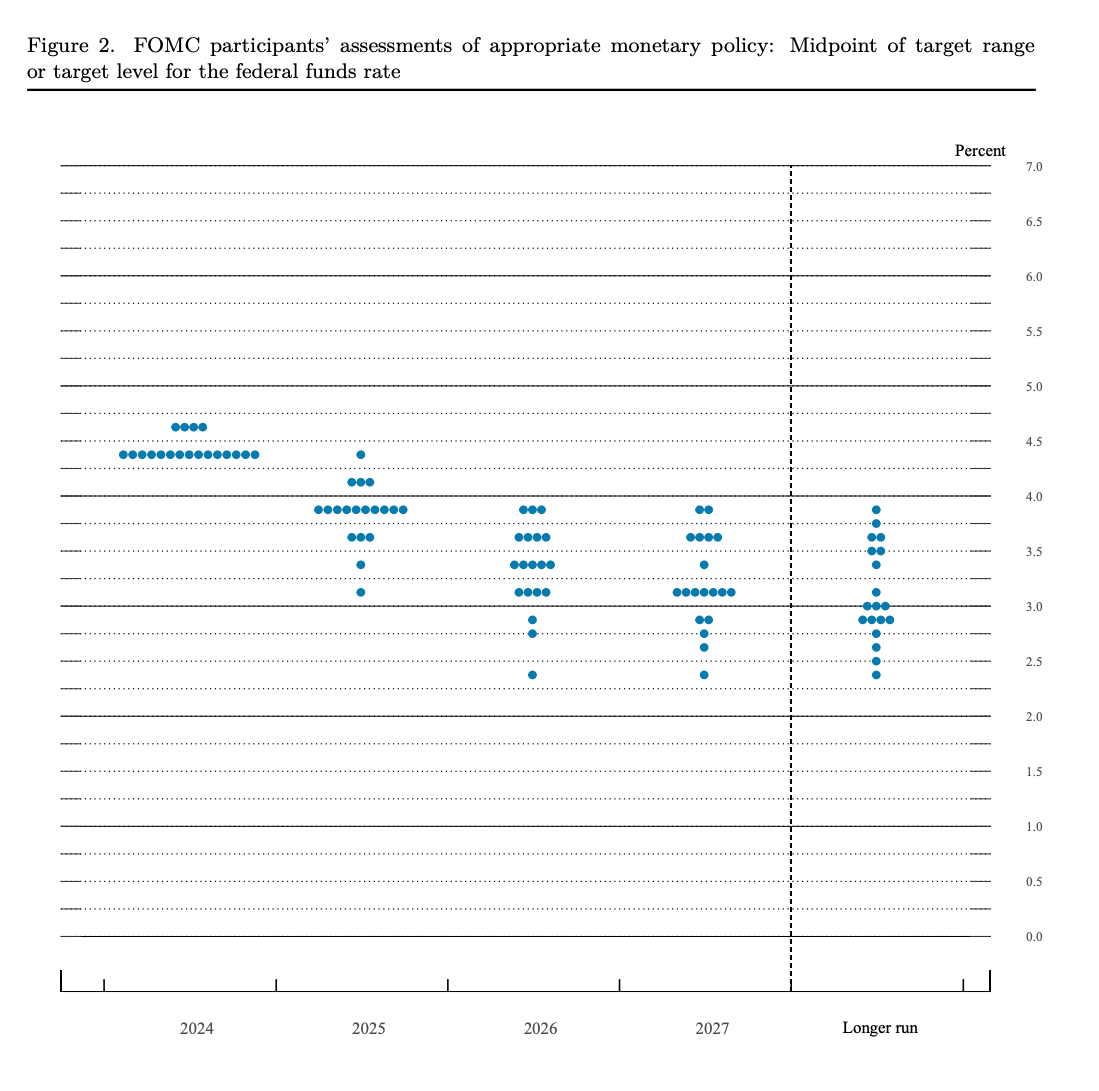
Markets initially priced in a midpoint rate in 2025 50bps higher than previous guesses. The dot plot above prescribes just one 50bps rate cut for all of 2025 or two 25bps cuts. After 2025, the Federal Open Market Committee has rates settling another 50bps lower during 2026, and then only 25bps lower in 2027.
Due to Powell’s history, and given Trump’s use of the stock market and economy as a barometer for success, not to mention his self-stated desire to further ignite the US economy, some think that the projections that the Fed has given represent wishful thinking and that the reality will be more dovish than the last meeting would otherwise suggest.
On the other hand, as alluded to above, DOGE and Trump’s approach to foreign and industrial policy could be a bit of a wild card, with the potential to cause significant inflation and force the Fed’s hand. DOGE has the potential to either hasten or slow growth depending on how this operation is carried out. Simply slashing government jobs and funding would result in less liquidity in the economy, while getting rid of needless regulations could spur more growth that was previously being held back.
What Trump does in the days following his inauguration might rock markets one way or another, but in the meantime, risk is back in the markets. Institutions look for exposure in the new year, especially to the AI agent/AgentFi narrative. If 2025 follows historical trends, the next quarter at least should look good for $BTC and the broader markets, with $BTC dominance heading lower to give alts the runway they need to reach new peaks.