Crypto has caught a bid during Asia hours today, with $BTC up 3.5%, now sitting above $87.4K. Bitcoin dominance continues to rise, increasing by 4% in the past month. But even while $BTC is sparking new talks of ‘decoupling’, the golden asset of this current market regime is Gold.
Once again, it seems that there is massive buying pressure for the store-of-value asset from Asian central banks (namely China) and other institutions. U.S. equities futures are red again, with markets opening today after the long weekend. Markets are perhaps spooked after seeing Gold reaching yet another ATH, currently sitting just below $3.4K.
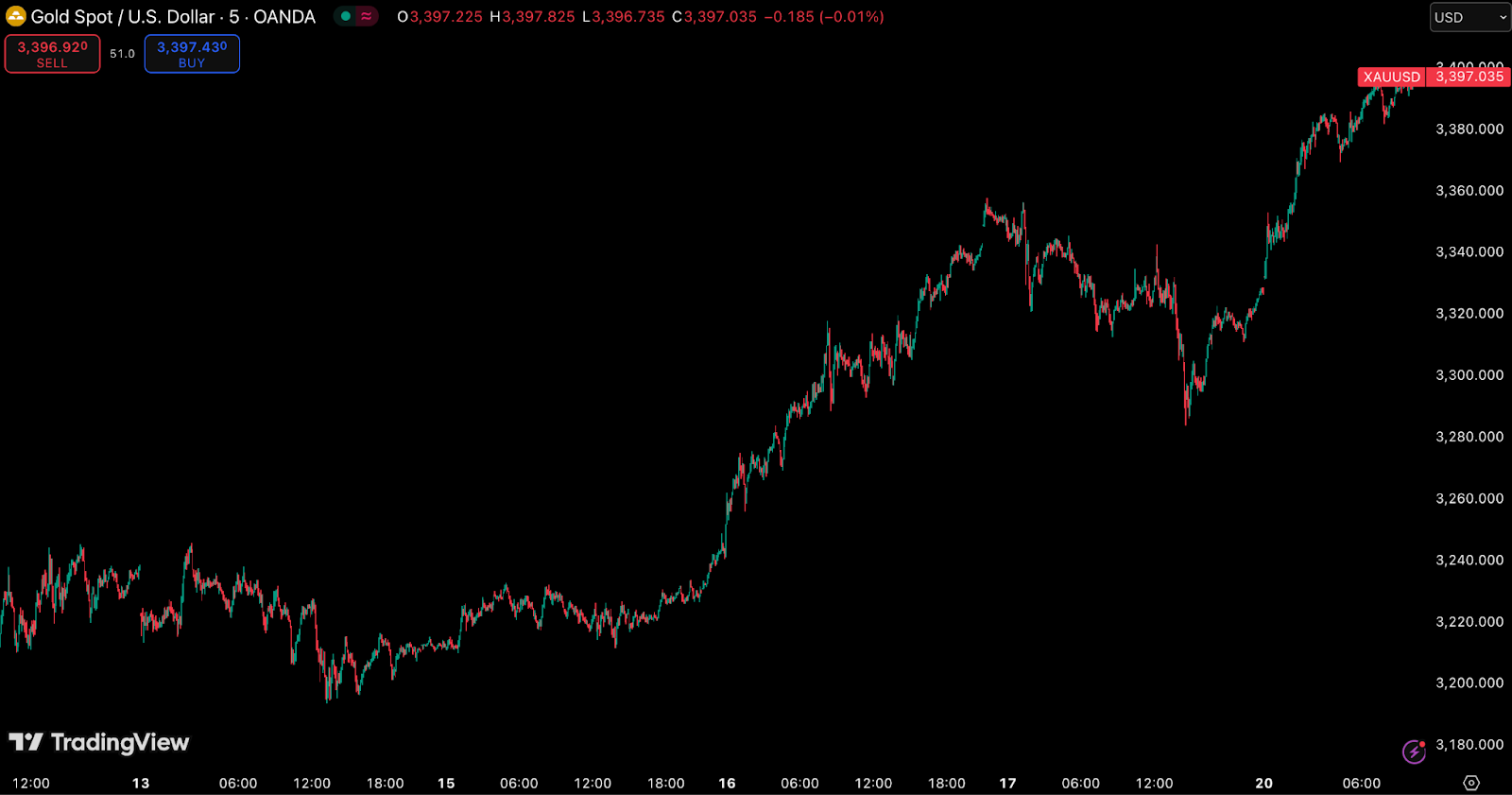
In today’s editions, we’ll discuss some of the developments taking place in this trade war. Each passing day continues to see more news released, which may hint at what is driving market forces…


Trade War: Win or Lose?
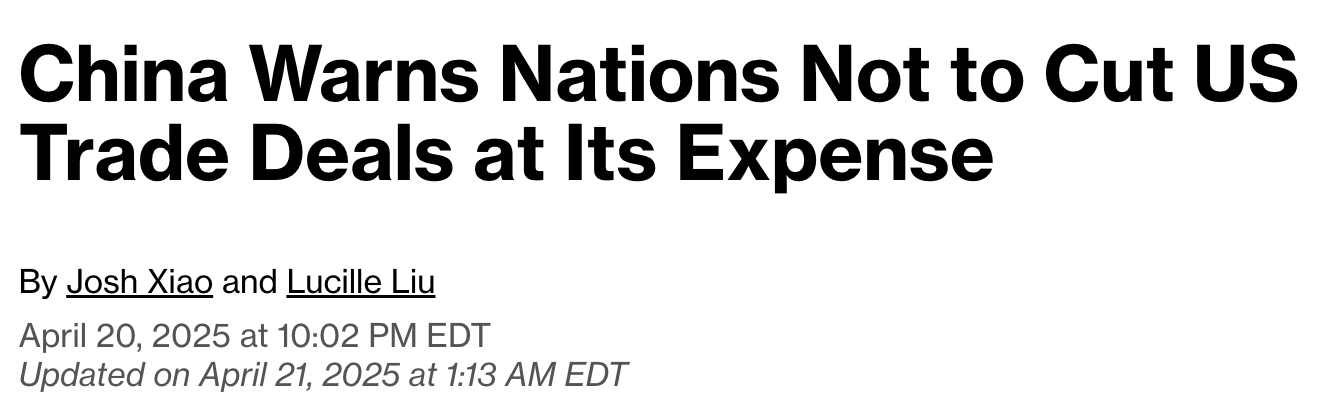
What first started as a rivalry between the world’s two largest economies has now begun implicating other ‘third countries’. World leaders may be forced to take sides, or at least avoid taking a side that is detrimental to one party or another. Today, China made a strong statement, imploring other countries to do what’s best for their own interests, but warning them not to do so at the expense of China or otherwise face retaliatory measures. This is a counter to the U.S., which reportedly is looking to get countries to move away from trading with China.

When it comes to what the Trump administration actually wants, there is not much clarity found yet. However, some points from ongoing negotiations have been made public, mainly involving the outlined government purchase of U.S. goods, or the ability for U.S. goods to enter these markets. Vietnam agreed to buy military aircraft from the U.S., though delivery will take years or decades. It was reported that Japan is weighing lowering import barriers for Japanese vehicles.
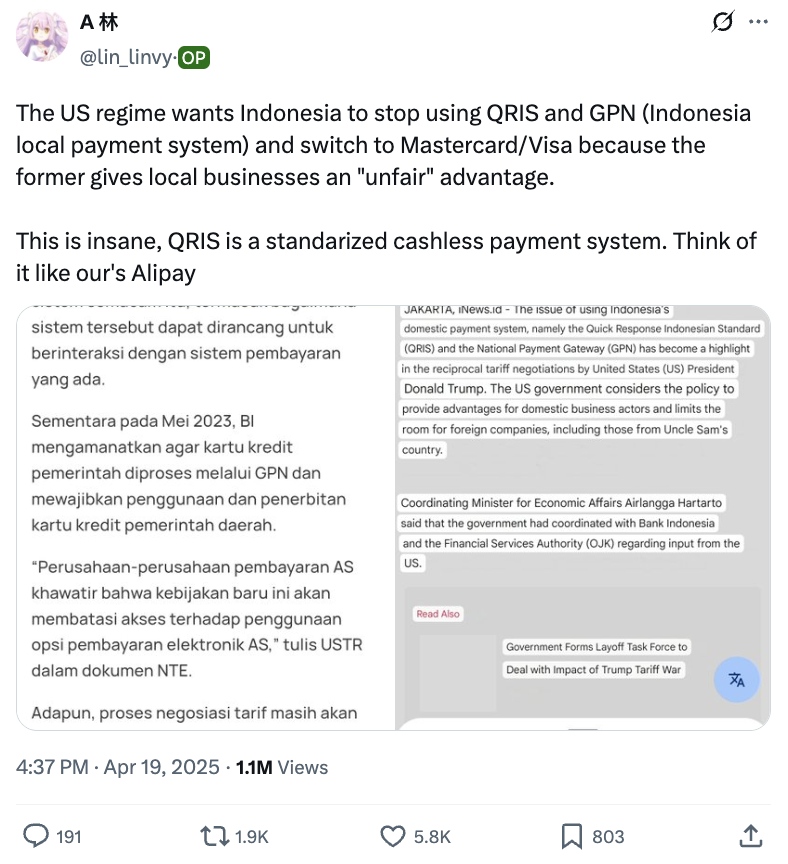
Another bargaining chip that caught much less media attention was the U.S. reportedly asking Indonesia to counter consumer use of its own domestic payments system, citing that it puts American businesses in the country at a disadvantage. This is a more creative measure from the U.S., expanding out of physical goods trade and into the services sector, where the U.S. might have more of an advantage.
While there is a lot of news swirling around talks between the U.S. and major economies, there are still no formal deals to be signed. A key point to monitor is whether these deals outline specific trade deficit targets. Japan could definitely lower barriers to the import of American cars. However, that doesn’t mean consumers will willingly purchase these from their own domestic fleet, which is probably better suited to meet consumer demand anyway.
Whether or not the Trump administration will be satisfied with simply removing non-tariff trade barriers or wants to see this actually result in a lowering of the trade deficit will be critical in assessing the impact of these tariff deals. This information might be sensitive, and it could be in the best interests of the Trump administration to keep these details private, so as not to give other countries existing examples to point to if they think their deal is unfair. While a lack of transparency could be a good tactic for negotiations, it might have the opposite effect on markets.
Markets might interpret trade deals that don’t outline goals that reward lower trade deficits and are more focused on actions that technically lower non-tariff trade barriers as more dovish, a more positive sign. Markets might just want this current chapter of tariffs to end one way or another, less concerned with whether the U.S., China, or third countries ‘win’ the most…