Katana là một blockchain DeFi Layer 2 được xây dựng chuyên biệt, được ươm mầm bởi Polygon và được hỗ trợ bởi GSR.
Katana được giới thiệu để giải quyết những bất cập cấu trúc của DeFi bao gồm tài sản nhàn rỗi, thanh khoản bị phân mảnh, và các mô hình khuyến khích không bền vững. Thiết kế cốt lõi xoay quanh các vault hiệu quả vốn, thanh khoản thuộc sở hữu giao thức on-chain, và mô hình doanh thu sequencer tích lũy 100% lợi suất cho người nắm giữ token.
Currently, Katana’s mainnet is operational in private, with a public launch expected in June. In today’s edition, we’ll take a look at Katana’s 15% airdrop to $POL stakers, Katana ve(3,3) token mechanics and more…
Stay informed in the markets ⬇

Katana’s Solution: Solving DeFi Inefficiencies
The DeFi stack today is capital-inefficient by design. Liquidity is fragmented across dozens of chains and wrappers, creating thin order books and high slippage. Protocols fight zero-sum incentive wars, paying unsustainable token emissions to attract users who leave the moment the yield dries up. Across the board, there’s a lack of coordination where incentives aren’t targeted, emissions don’t translate into sticky growth, and value doesn’t flow back to those underwriting the system.
Katana was introduced to attack this problem at the base layer. It tackles 3 core inefficiencies:
(1) liquidity spread too thin across chains & protocols
(2) uncoordinated emissions that fail to sustain growth, and
(3) idle collateral and staked assets that don’t compound value.
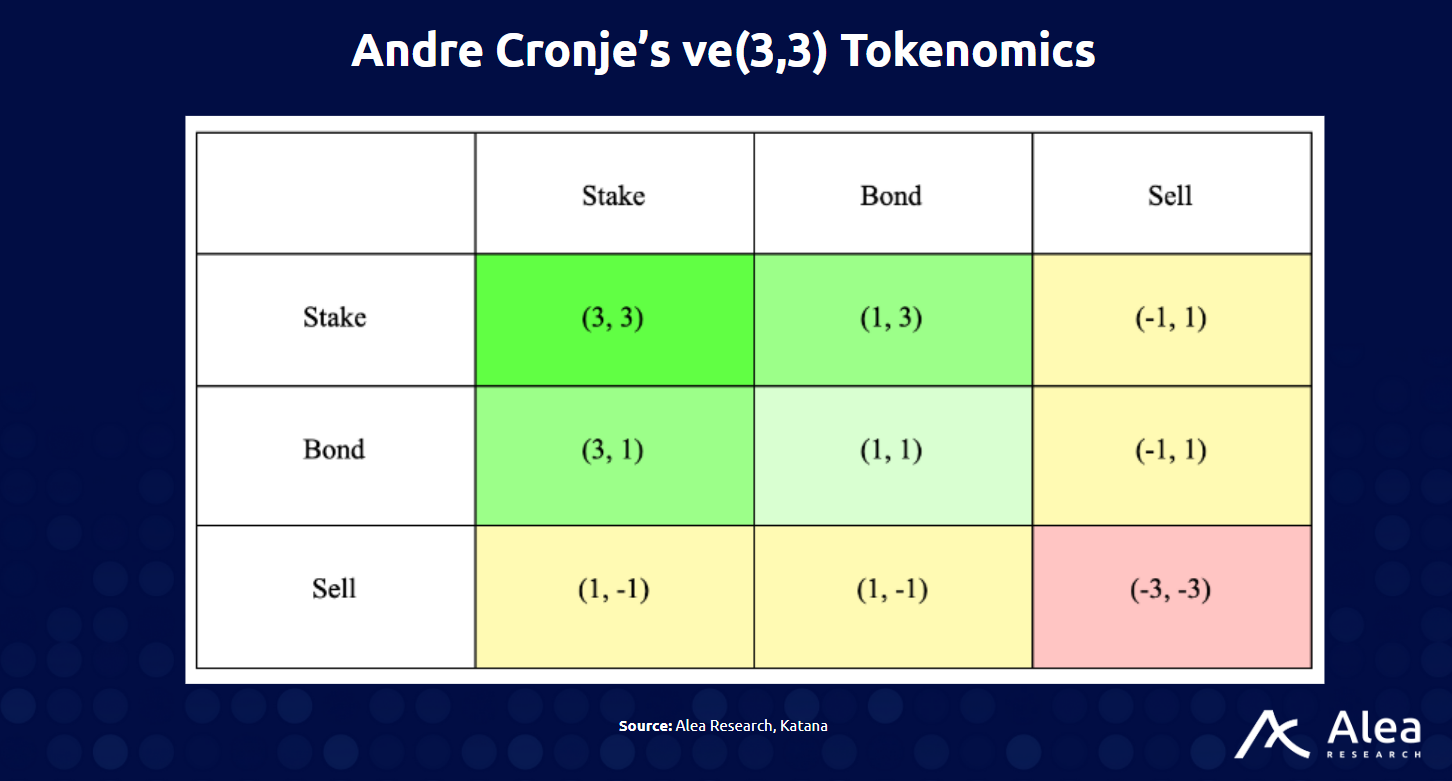
Its solution consolidates yield-generating apps, route incentives through a unified emissions gauge, and recycle ecosystem fees back to active participants. By consolidating liquidity into a purpose-built L2 and aligning incentives through a ve(3,3)-style mechanism, Katana turns fragmented DeFi into a coordinated, self-reinforcing system. Its core flywheel directs emissions toward the most productive apps, which in turn generate real fees for those locked into governance—closing the loop between usage, reward, and long-term alignment.
$KAT Token Flywheel
$KAT is the core utility token designed to direct emissions to productive activity and compounding protocol value back to aligned participants.
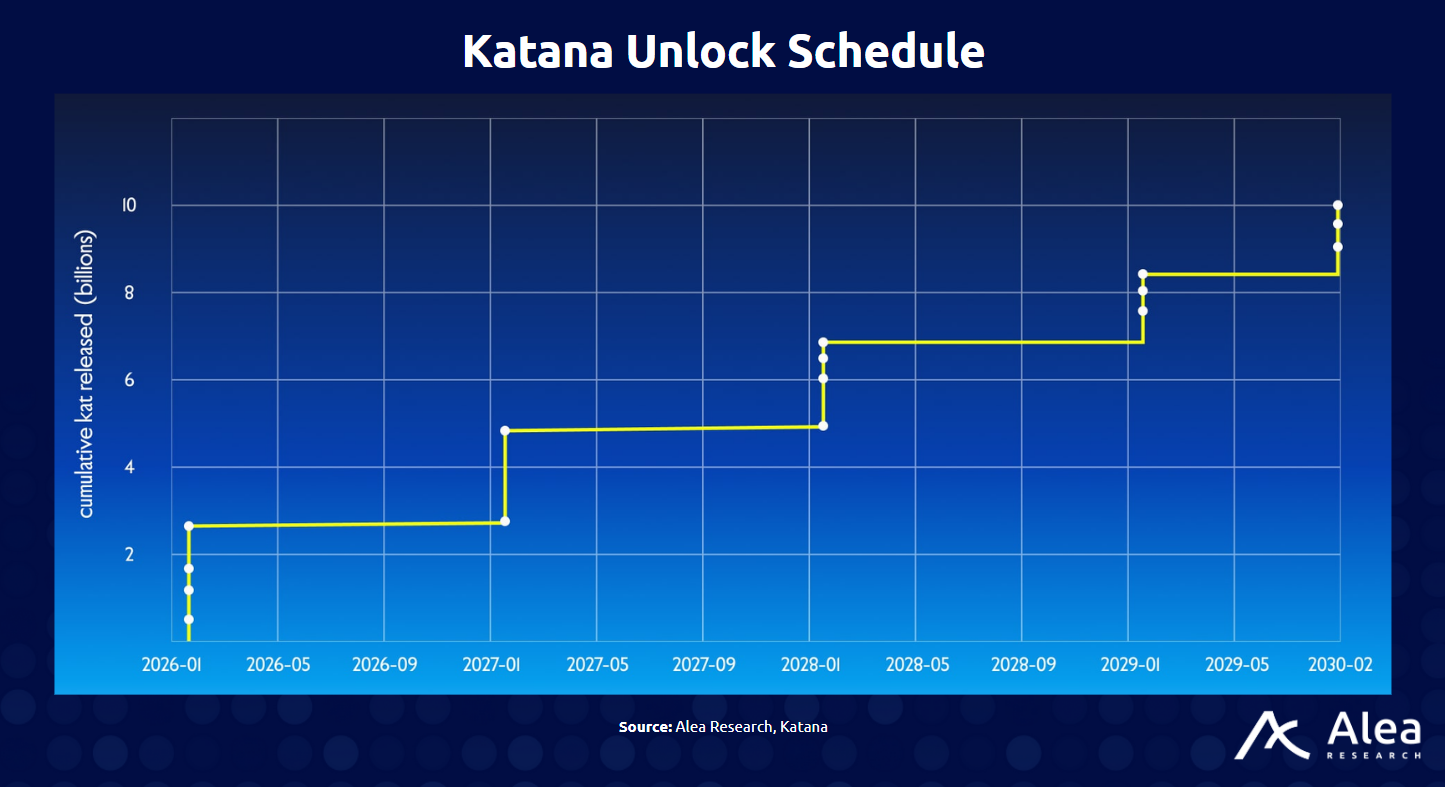
The total supply is fixed at 10B with 0 presale and 0 free liquidity. Another core feature is that the token is non-transferable at genesis for up to 9 months (Feb 2026), with the intention of forcing strategic liquidity seeding before secondary speculation. This locks in early utility alignment and reduces distribution risk.
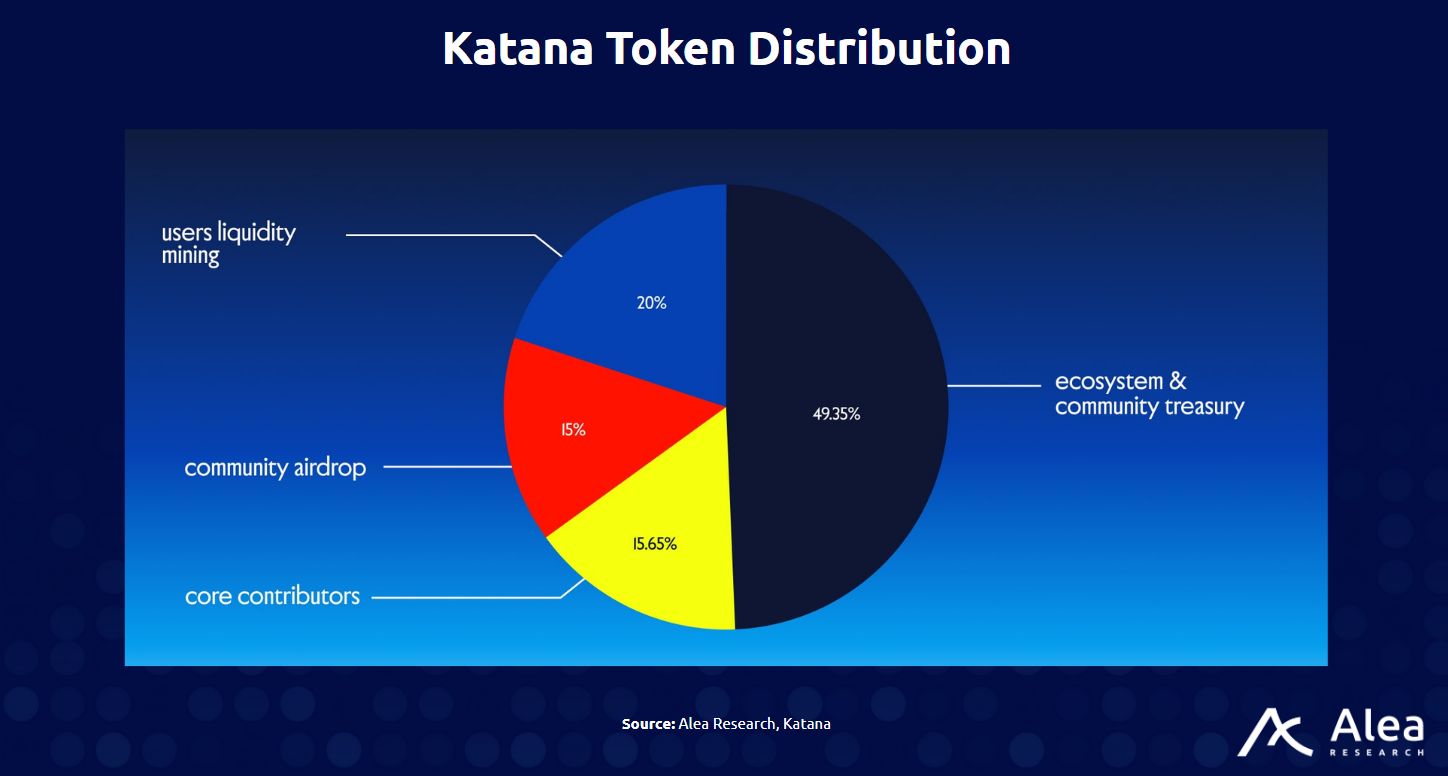
$KAT will be distributed across 4 core areas:
- 20% - User liquidity mining
- 15% - Community airdrop
- 15.65% - Core contributors
- 49.35% - Ecosystem & community treasury
Katana’s system mirrors the ve(3,3) model. Users lock tokens (KAT → vKAT) to gain voting power and access to a share of protocol fees + emissions, creating a strong alignment between locking and value capture. This creates a self-reinforcing cycle: emissions incentivize usage, usage generates fees, and fees reward aligned token holders.
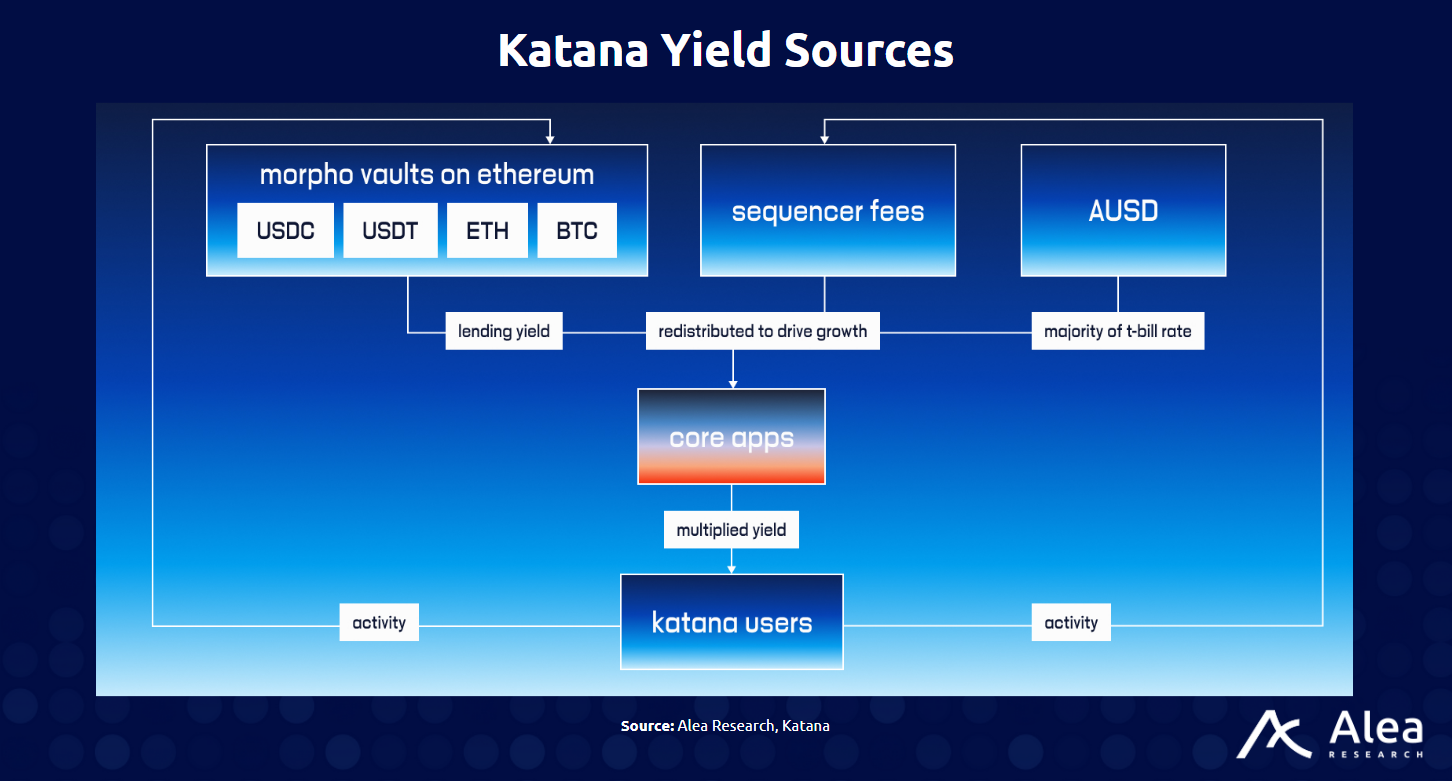
Beyond protocol usage fees, Katana plans to extend fee sharing to sequencer revenues, vault bridge yield, and stablecoin yield, broadening the income streams flowing to vKAT holders. The design emphasizes routing value generated by the entire chain ecosystem back to stakeholders, reinforcing long-term capital commitment.
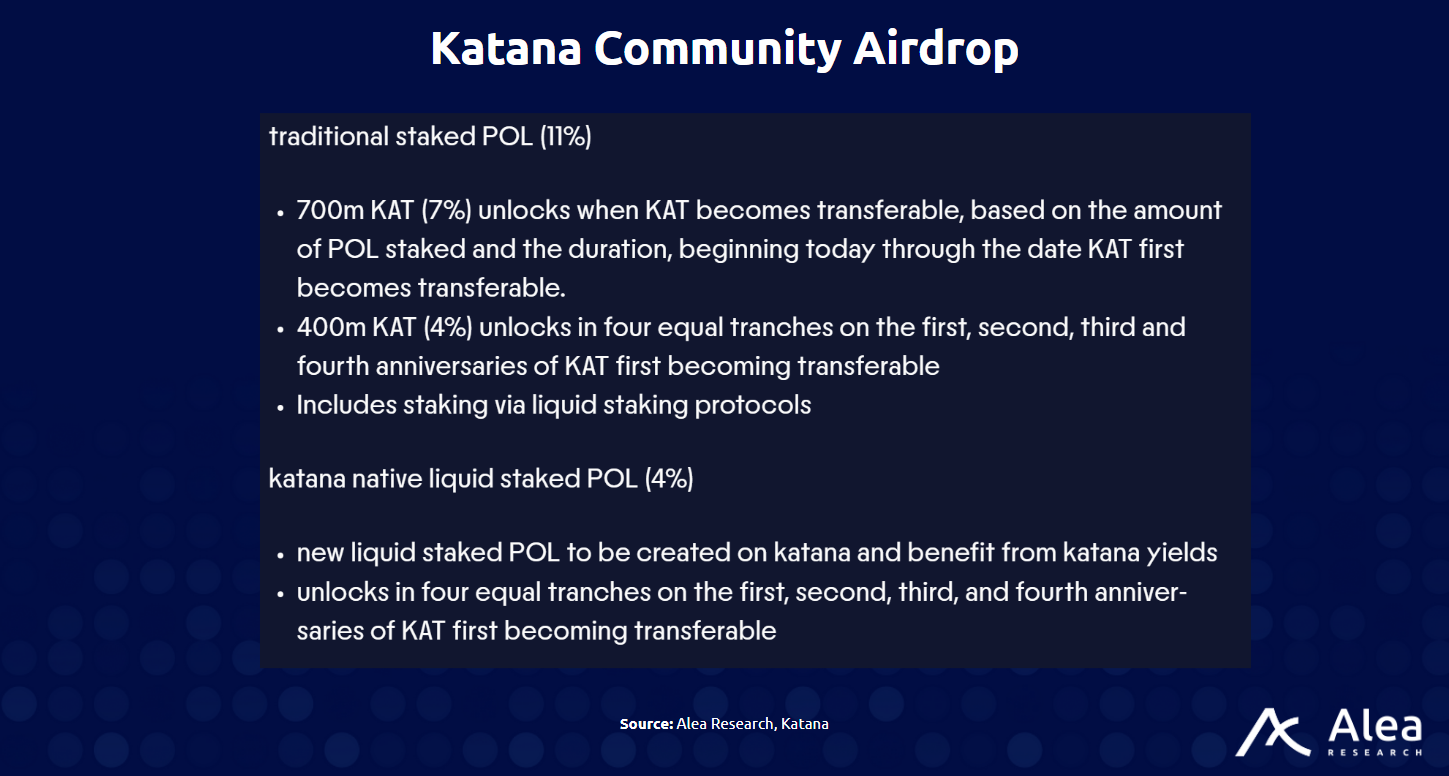
Early access to KAT comes from active participation via pre-depositors, strategic vault users, and engagement with key apps like Morpho, SushiSwap, and Vertex. Currently, the 15% community airdrop can be earnt by staking $POL as part of the Agglayer breakout program. This 15% is further broken into traditional staked $POL and Katana native liquid staked $POL.
Featured Ecosystem dApps
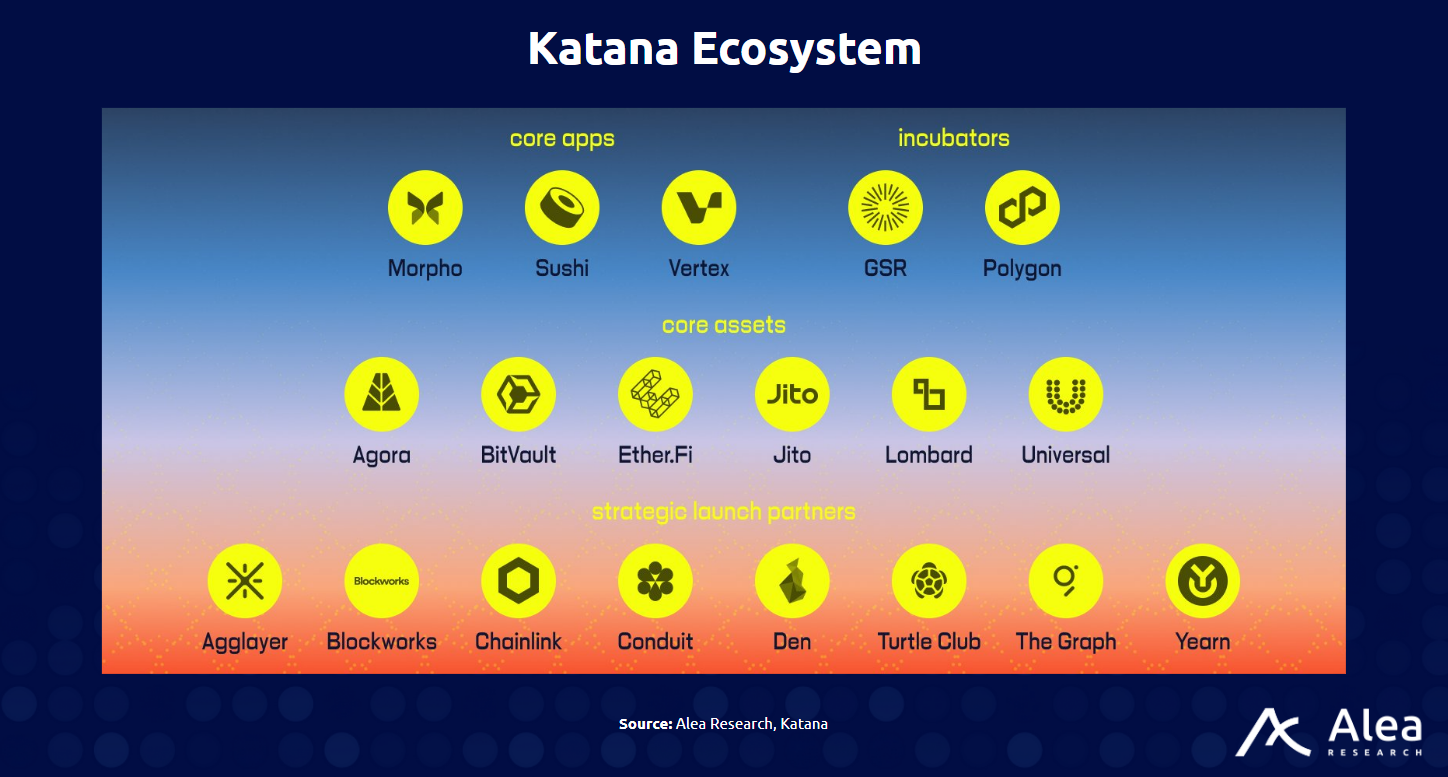
Core dApps to the Katana ecosystem currently include:
- MorphoLabs: for optimized lending and borrowing
- SushiSwap: for deep spot trading liquidity
- Vertex Protocol: for capital-efficient perpetuals trading
Along with these are various supported assets and strategic launch partners:
Important Links
