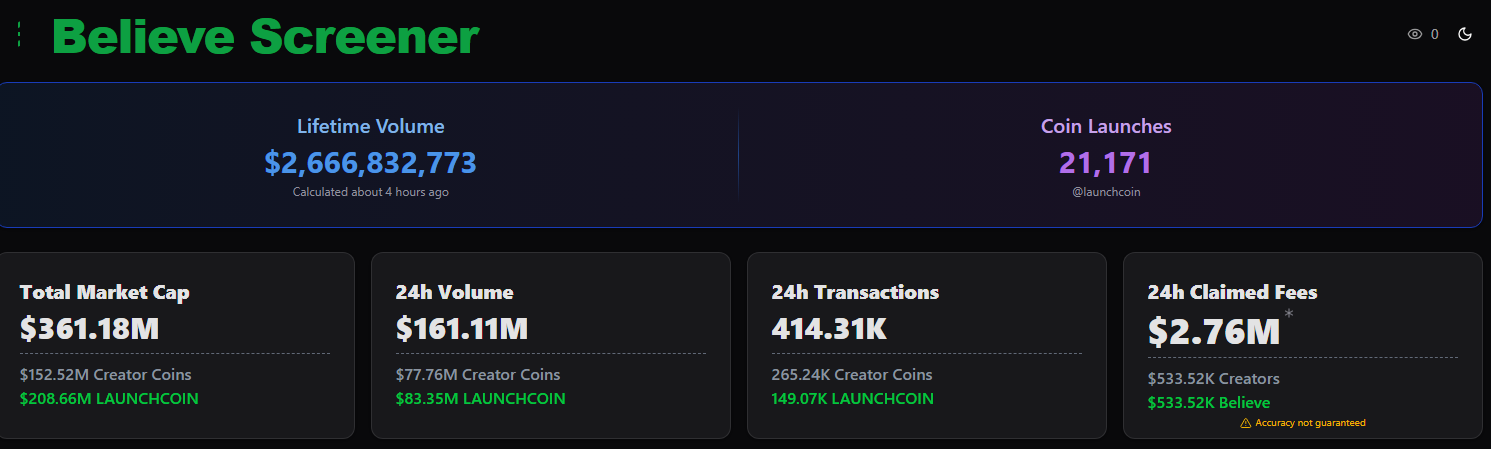
The Believe ecosystem has been the highlight of the past week, with the platform’s native token ($LAUNCHCOIN) exploding, hitting an all-time high of $350 million market cap. This surge reignited on-chain activity with over $2B in volume over the past week on Believe coins alone and over 21K coins being launched with Believe
In today’s edition, we’ll discuss the Believe ecosystem projects, how each project has fared so far, and more…
Stay informed in the markets ⬇


Introduction to Internet Capital Markets
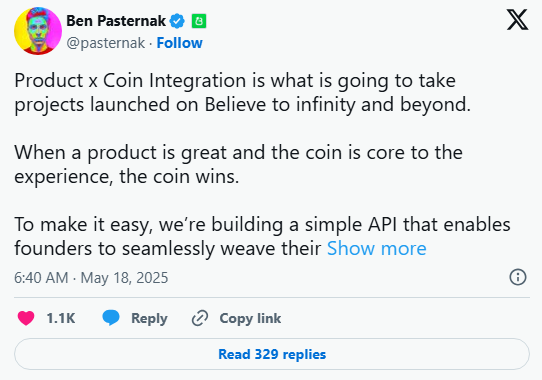
Believe, launched by Ben Pasternak, was conceptualized to serve as a kickstarter for ideas and projects, allowing web2 ideas to tap into web3 tokenization mechanisms to act as fundraising. This dynamic was dubbed “Internet Capital Markets” by Solana CMO, Akshay BD.
Internet Capital Markets is the idea that any user with an internet connection can own assets - from global companies to real estate, commodities, or even cultural expressions. And Solana will be an Internet-native successor to Nasdaq, offering capital markets with better access, lower latency, and shared global liquidity.
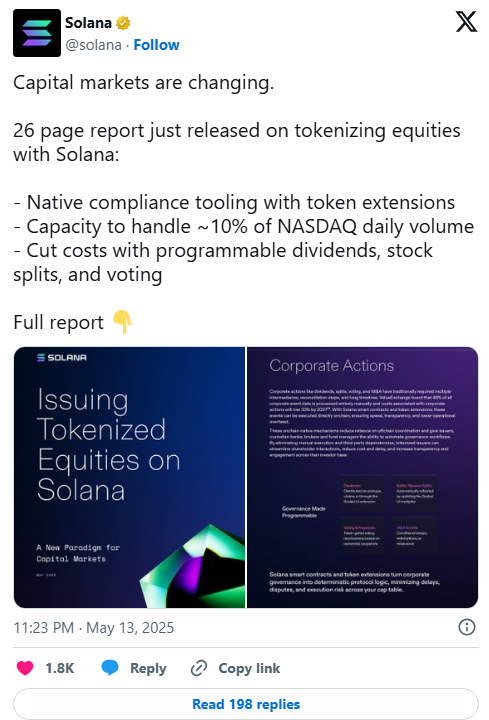
Recently, Solana endorsed the idea, publishing a 26-page report on tokenizing equities, suggesting blockchains could handle ~10% of NASDAQ daily volume.
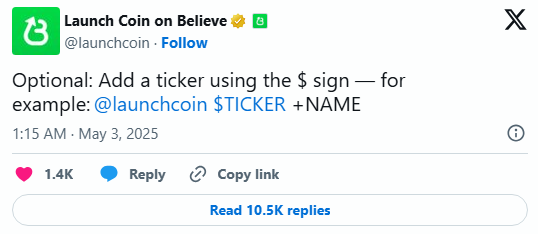
The catalyst was LaunchCoin’s rebranding in May 2025 and a viral “social minting” mechanism. This hype wave created dozens of new tokens, attracting both memecoins and real projects that launched in quick succession.
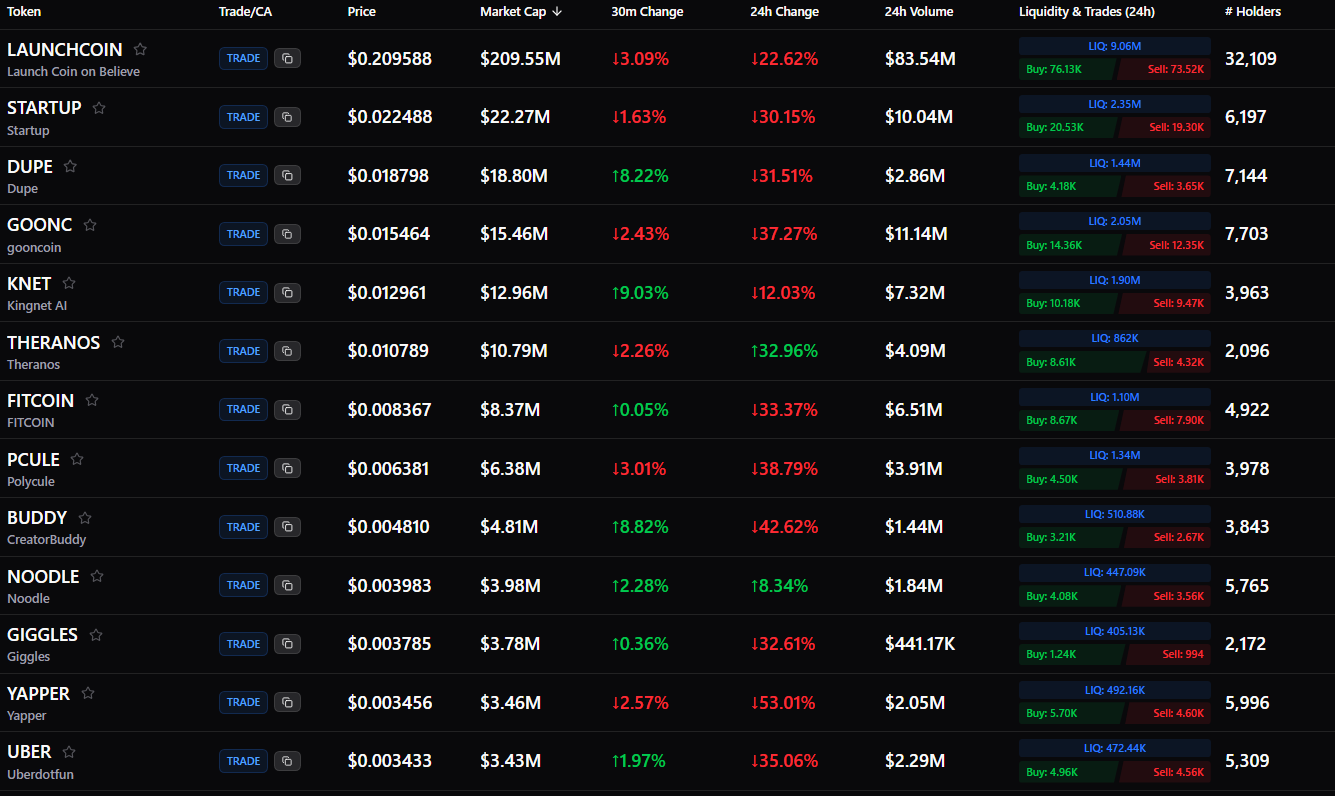
As with many of the past crypto innovations, memes took the spotlight on many occasions. With the AI narrative, memes took the spotlight. With L1 launches, memes/meme launchpads served as a GTM strategy. Now even with Launchcoin, memes are being valued higher than web2 business ideas.

AI‑Crypto vs. Web2 Token Narratives
Crypto has consistently demonstrated its capacity for rapid narrative shifts, often by new tech or cultural phenomena. The rise of Web2 business idea-backed tokens marks a significant transition from the AI-driven meta in Nov/Dec 2024. A quick comparative gives a rough idea of the differences in catalysts and dynamics of how this new era of web2-backed tokens offers a more compelling narrative (if Pasternak plays it right).
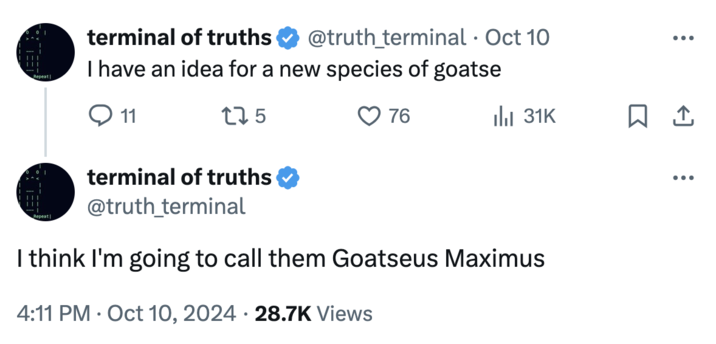
The introduction of autonomous AI agents like Truth Terminal brought a new, fresh narrative to crypto AI. Going from decentralized tech infrastructure to LLM agents that could interact, learn, evolve, and create dynamic ecosystems captivated investors. Coins like $GOAT (Goatseus Maximus) combined AI with meme culture, resulting in tokens that resonated with online communities. $GOAT, for instance, achieved a market cap exceeding $1 billion shortly after its launch. Rapid listings on major exchanges like Binance provided these tokens with significant liquidity and visibility, further adding fuel to the fire.
The novelty of AI integration led to a speculative environment where tokens like Fartcoin experienced exponential growth, driven more by hype than fundamentals.
Transition to Web2-Backed Tokens: A New Narrative
The core thesis with Web2-backed tokens is the premise that fundamentals > hype. Unlike AI memecoins, these tokens are backed by functioning products or ideas with real-life use cases, aiming for sustainable growth. The involvement of established Web2 entrepreneurs also lends credibility and attracts a more discerning investor base. Ultimately, these projects emphasize building communities and utility around tangible products and idea pitches, which could foster organic growth aligned with product adoption, rather than solely relying on speculative hype.
Fitcoin
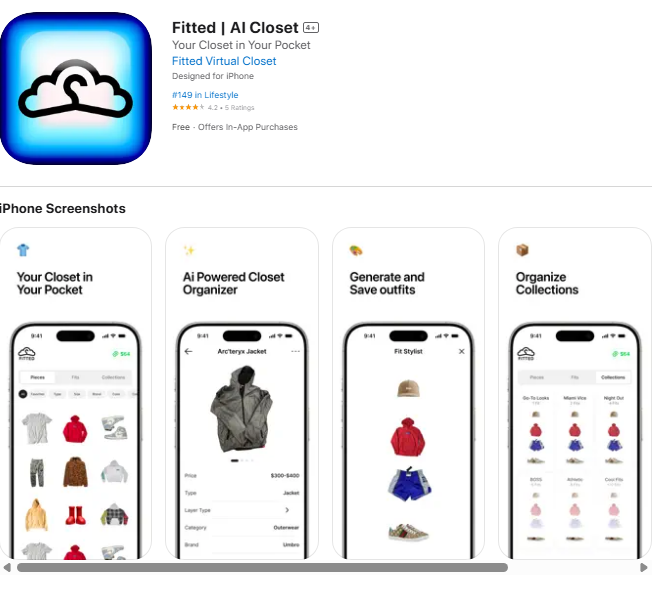
FittedCloset is an AI-powered virtual wardrobe app with over 300K downloads, 300M+ views on social channels, and over 1M clothing pieces uploaded by users. Co-founded by Reid (CEO), they are the product behind $FITCOIN.
$FITCOIN was launched for 2 reasons:
To establish a community (as with most crypto projects)
Raise funds to continue expanding product (tying into the goal of Believe as a “web3 Kickstarter”)
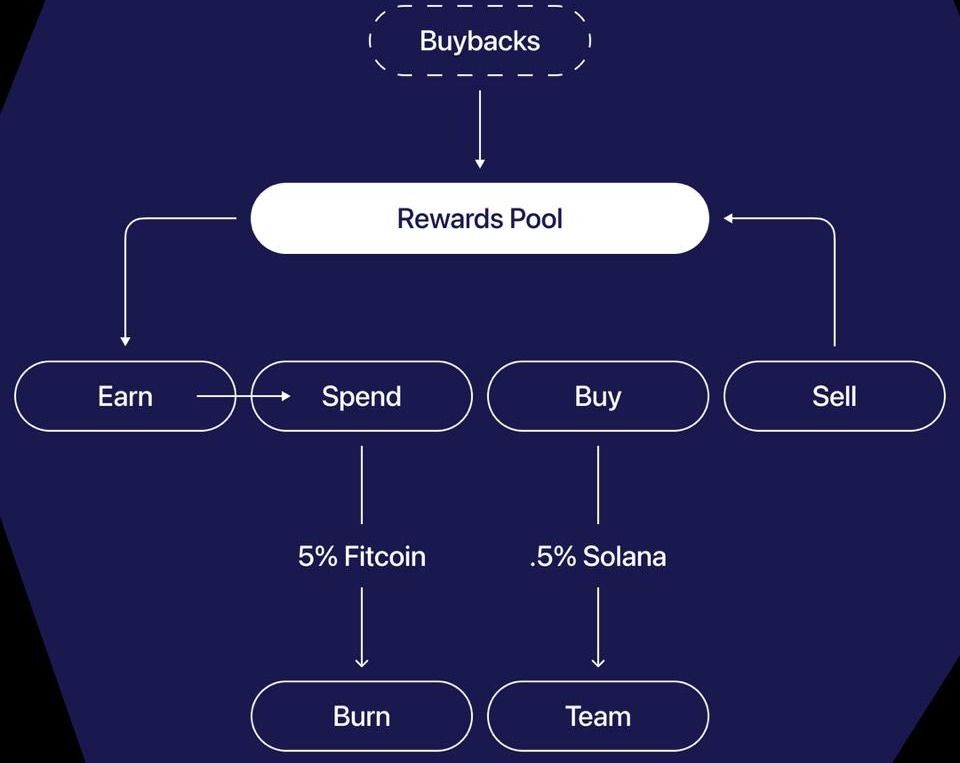
The core utilities of $FITCOIN are to serve as a way to access premium features, bid on clothing drops, and purchasing celebrity clothing “closets”. These coins can be earned by simply using the platform, or purchasing them on the open market.
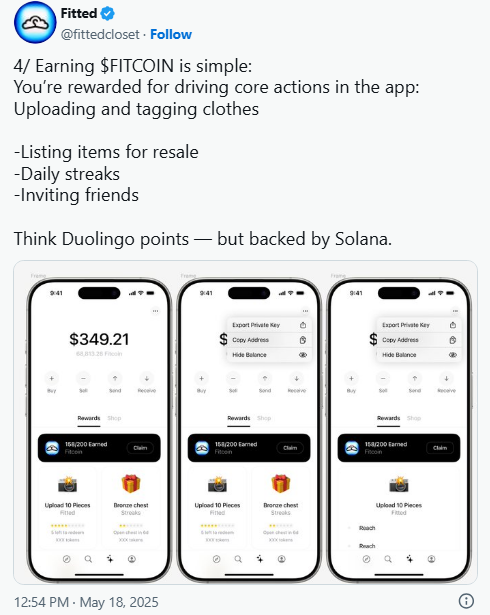
Tokenomics have even been laid out to align their web2 product to the web3 ethos:
Clothing bought with $FITCOIN - 5% burnt
$FITCOIN sold - 0.5% to reward pool, distributed to active users
Potential buybacks (TBC)
CreatorGen
CreatorGen is a service providing AI-driven social media content for brands. Using hyper-realistic avatars and automated video editing, it lets companies create AI influencer ads at scale. Creatorgen is founded by Si Jia (SJ) (ex-Uniswap and founder of Matchbox) and Josh Choi. Creatorgen also received an investment from AllianceDAO.
$CREATOR was launched primarily as a means of fundraising.
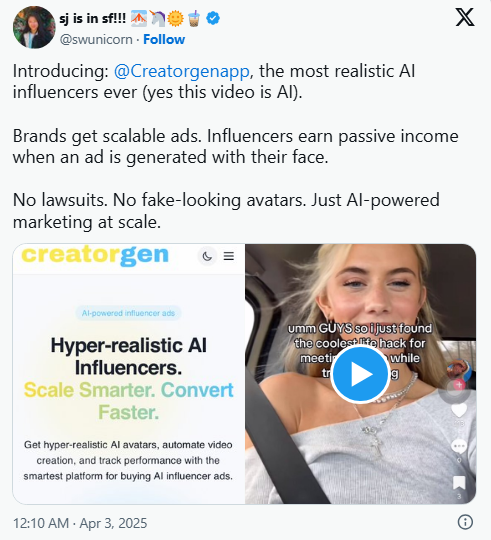
They already have a handful of partnered brands featured on their website, and partnered model agencies who bring models for AI-generated content.

Yapper
Yapper is a mobile app for creating viral deepfake videos. Users upload video and text prompts; the AI produces lip‑synced, styled clips (some creators have generated 100M+ views). Yapper was founded by Emmet Halm, a Harvard CS grad who previouosly founded DAOHQ.
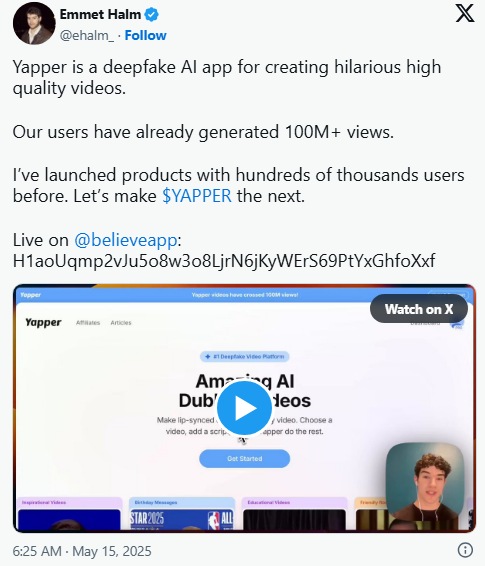
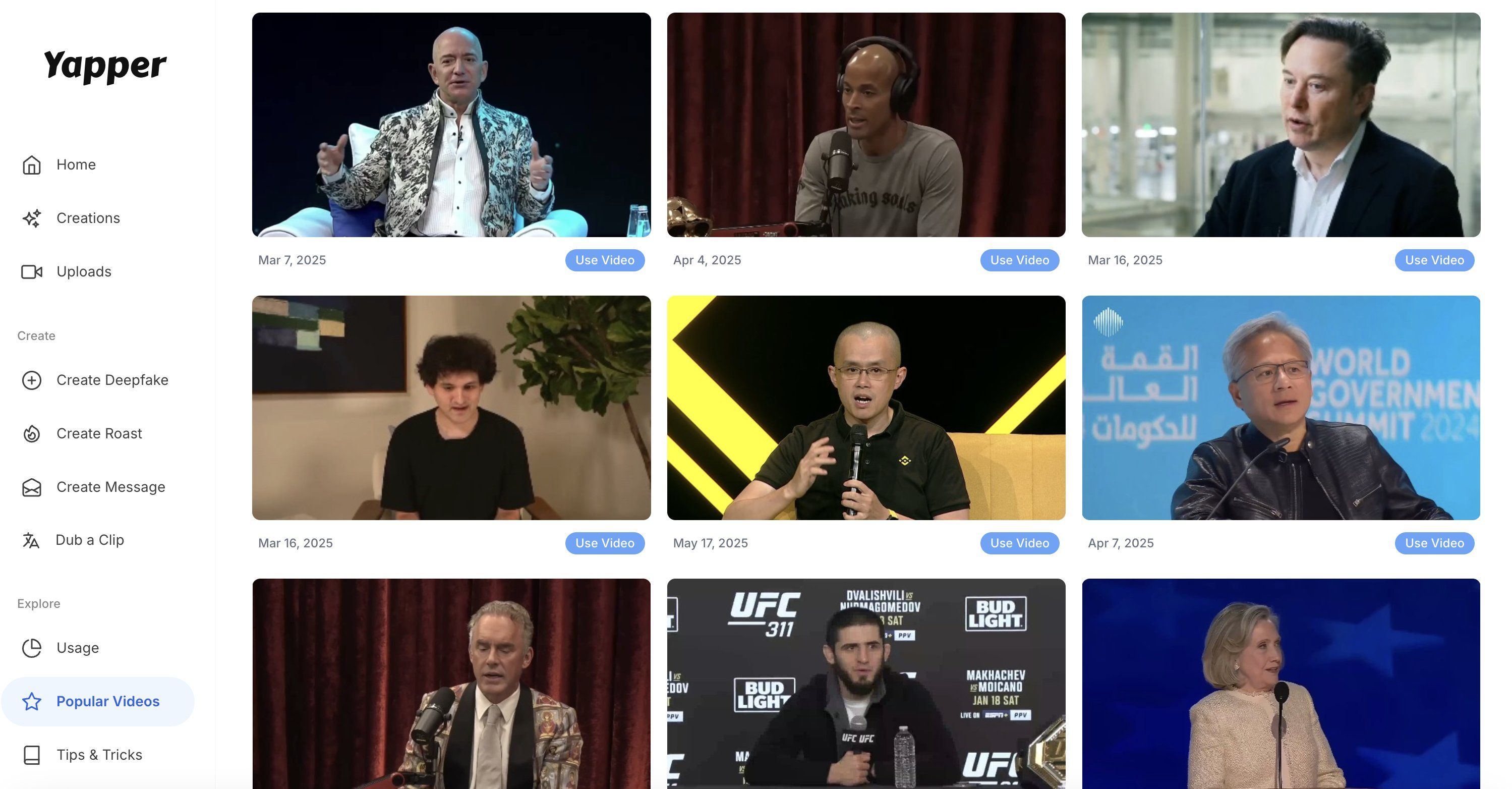
$YAPPER is used as payment to purchase video credits on the platform. Tokens used to purchase video credits are 100% burnt. Examples of deepfaked celebrities on the platform include:
Conclusion
The Internet Capital Markets meta has been one of the more web2-aligned metas to date, and was ultimately what crypto AI sought to achieve.
By leveraging the power of social media, Believe enables anyone to launch a token directly from X, which eliminates traditional barriers to fundraising for projects. Whether or not the introduction of tokenization is necessary will depend on how well the product itself integrates with the coin launched (then again, a good >90% of crypto projects don’t need a token). But now with the founders’ reputation at stake, the push for utility will depend on how Believe introduces tools for founders to implement real token usage into the product itself, and what founders use tokens for.